Italy offers several scholarships for students from developing countries, but not all are fully funded. Some cover tuition only, while others include living costs through regional or government support. If you plan carefully, you can study in Italy at very low cost or even close to free, depending on the program and your financial situation.
| Program Name | Annual Deadline | Stipend Amount | Location | Duration |
|---|---|---|---|---|
| Italian Government Scholarship (MAECI) | May–June | €900/month | Italy | 6–9 months (renewable) |
| DSU Regional Scholarship | July–September | Up to €7,200/year + housing/meals | Italy | Full degree |
| University of Bologna Scholarship | March–April | €11,000/year | Bologna | 1–2 years |
| Politecnico di Milano Merit Scholarship | Varies (Feb–April) | €5,000–€10,000/year | Milan | Full degree |
What are Italy scholarships for developing countries and how do they work?
Italy doesn’t offer just one central scholarship for developing countries. Instead, it uses a mix of government programs, regional funding, and university-based awards. That’s why many students get confused at the start. 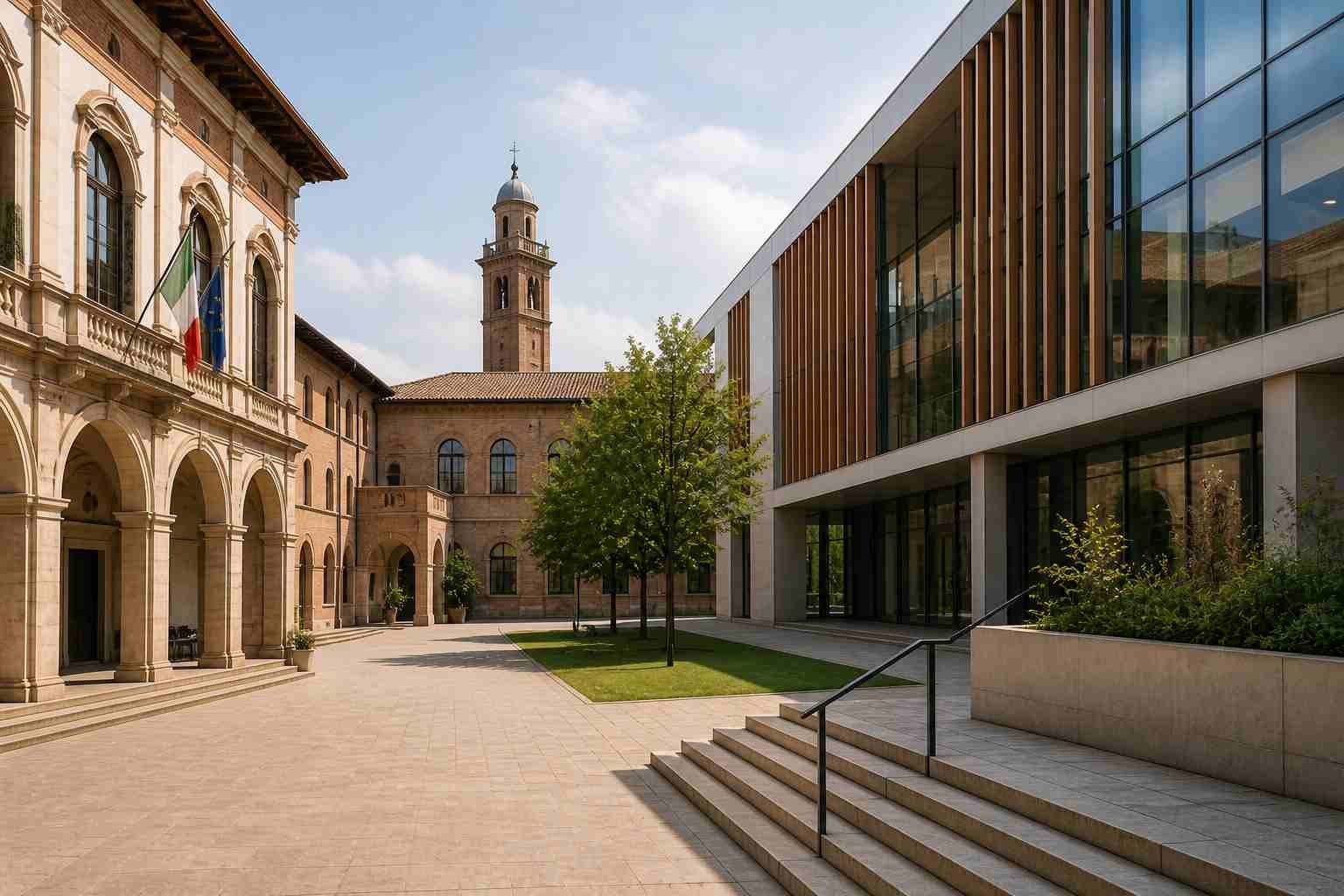
Here’s what matters. Scholarships in Italy are layered. You can apply to a university, then apply for a scholarship separately. In many cases, your financial situation matters as much as your academic record.
There are three main types you should know:
- Government scholarships like MAECI
- Regional need-based funding like DSU
- University merit scholarships
Each works differently, and understanding this structure is the first step to making a smart plan.
Can you really study in Italy for free as an international student?
Yes, but only in specific situations.
Italy is one of the few European countries where “almost free” education is realistic for international students. But here’s the truth. It depends on the scholarship you get.
If you receive a DSU scholarship, your tuition can be fully waived, and you may also get accommodation and meals. That’s as close to free as it gets.
If you only get a partial scholarship, you might still pay:
- Some living costs
- Travel expenses
- Personal expenses
So yes, studying for free is possible, but it’s not automatic. It requires the right scholarship and proper planning.
Which fully funded scholarships in Italy are available in 2026?
Fully funded options exist, but they are limited and competitive.
The most well-known ones include:
- MAECI Scholarship: Covers stipend and tuition support
- DSU Scholarship: Covers tuition, housing, and meals
- Some university merit awards: Offer high-value funding
Here’s the key difference. MAECI is merit-based and focused on international cooperation. DSU is need-based and depends on your family income.
Many students combine opportunities. For example, getting university admission first, then applying for DSU to reduce costs significantly.
Who is eligible for Italy scholarships for developing countries?
Eligibility depends on the type of scholarship, but there are common patterns.
Most scholarships require:
- Citizenship from a developing country
- Admission to an Italian university
- Academic qualifications matching the program
For DSU scholarships, financial proof is critical. You must show family income and assets, often verified through official documents.
For merit scholarships, your grades, CV, and academic profile matter more.
Some programs also have age limits, especially government-funded ones.
What does Italy scholarship funding actually cover?
This is where many students misunderstand things.
Not all scholarships cover everything. You need to look at each benefit separately.
Most funding includes:
- Tuition fee waiver
- Monthly stipend (in some programs)
- Accommodation or meal support (DSU)
But some costs are usually not covered:
- Flight tickets
- Visa expenses
- Personal spending
DSU scholarships are often the most generous in practical terms because they reduce daily living costs, not just tuition.
What documents are required to apply for Italy scholarships?
Document preparation is one of the most important parts of your application.
While requirements vary, most students will need:
- Academic transcripts and certificates
- Valid passport
- Proof of income (for need-based scholarships)
In addition, many programs now expect:
- Abstract of Master’s Thesis (for postgraduate applicants)
- Two reference letters submitted via the portal
Some universities may also ask for a motivation letter or CV. Missing even one document can delay or cancel your application, so preparation matters more than speed.
When are the deadlines for Italy scholarships in 2026?
Deadlines depend on the scholarship type, and they don’t all open at the same time.
Here’s a general timeline you should follow:
- February to April: University applications and merit scholarships
- May to June: MAECI government scholarships
- July to September: DSU regional scholarships
This timeline is critical. Many students miss DSU deadlines because they focus only on university admission first.
Planning at least 6–8 months ahead gives you a strong advantage.
How competitive are scholarships in Italy for developing countries?
Competition is real, but it’s not impossible.
Here’s what matters. Italy has more scholarship seats compared to some countries, especially through DSU programs. That increases your chances if you apply correctly.
However, top scholarships like MAECI and Bologna awards are highly selective. Strong academic records, clear goals, and complete applications make the difference.
Students who prepare documents early and understand the system usually perform better than those applying last minute.
Are there alternatives if you don’t get a full scholarship in Italy?
Yes, and this is where many students recover their plans.
Even without full funding, Italy remains affordable compared to many countries.
You can still:
- Apply for partial scholarships
- Choose low-tuition public universities
- Work part-time during studies
Many students combine these options and manage their expenses effectively. It’s not perfect, but it keeps your study plan alive.
How do you decide if studying in Italy is the right choice for you?
This decision should be practical, not emotional.
Italy offers strong academic programs, especially in fields like engineering, design, and social sciences. But your choice should depend on your financial readiness and long-term goals.
Ask yourself:
- Can you manage initial costs before funding starts?
- Are you comfortable adapting to a new culture?
- Does your chosen program align with your career path?
If your answers are clear and realistic, Italy can be one of the smartest study destinations for students from developing countries.
Final Direction for You
Italy is not a shortcut to free education, but it is one of the few countries where costs can be reduced to a manageable level with the right strategy.
If you focus on DSU scholarships, prepare your documents early, and apply to multiple opportunities, your chances improve significantly.
Take this seriously. Plan early. And treat scholarships as a structured process, not luck.

Scholarship and education policy analyst sharing updates on global study grants, government programs, and policy changes across Asia, Africa, and the Middle East.